MitoCORE | Calabasas Medicine Group
Vitamins & Supplements Program
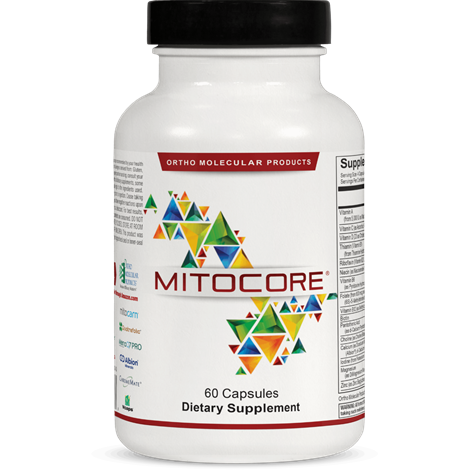
Mitocore
Essential Nutrition
Clinical Applications
- •Recharges Cellular Energy Production
- •Supports Immune Function
- •Increases Antioxidant Protection
- •Supports Detoxification Capacity
MitoCORE is a scientifically formulated blend of nutrients specifically designed to recharge cellular energy production, increase antioxidant protection, support detoxification capacity, and support immune function. Based on peer-reviewed, double-blind research, MitoCORE provides a unique blend of acetyl L-carnitine, alpha lipoic acid and N-acetyl cysteine. All have shown to support immune function and energy output. MitoCORE also includes key micronutrients and phytonutrients, including green tea, broccoli seed extract and resveratrol, to protect the mitochondria and continually recharge the cycle of energy production.
Overview
The body's cells and organ systems depend on an adequate supply of energy to function optimally. The mitochondria, known as the powerhouse of the cell, contain nutrients and enzymes that are important for recharging cellular energy production. Some of these enzymes convert food to usable energy in the form of adenosine triphosphate (ATP) — the key source of energy for all cells. In order to increase mitochondrial output, there must be adequate fuel supply for combustion and abundant antioxidants to scavenge free radical by-products. Preserving energy reserves and increasing energy output is a critical part of maintaining optimal health.
Lack of sleep, too much stress, poor nutrition and prescription medications can draw on energy reserves, using them up faster than they can be replenished. Even the vital biologic systems can create an energy deficit that needs to be restored.
Some of the most energy-demanding systems in the body include liver detoxification, immune function, cardiovascular function, and neurologic function. MitoCORE is scientifically formulated, based on published research, to boost mitochondrial reserves and recharge cellular energy production. It includes the powerful antioxidant trio of alpha lipoic acid, N-acetyl cysteine and acetyl L-carnitine, all shown to recharge cellular energy production and the primary cellular antioxidant pools of vitamins E and C and glutathione.
Benefits
Acetyl L-Carnitine
Acetyl L-carnitine (ALC) is an amino acid associated with recharged cellular energy production. It has been shown to increase the flow of free fatty acids — the fuel source for mitochondria — resulting in a significant boost in energy production. With age, free radical production increases oxidative damage to the mitochondria, which can potentially decrease energy production. ALC has been shown to recharge cellular energy production and has been found, in combination with lipoic acid, to lower oxidative stress. Studies have also shown that ALC supports immune function by protecting CD4 and CD8 immune cells and by supporting the reproduction of lymphocytes for the identification and elimination of invading antigens.
Broccoli Seed Extract
Broccoli seed extract contains a high amount of glucoraphanin, a compound that is a precursor to sulphoraphane. Sulphoraphane is an antioxidant and supports detoxification capacity and immune response. Sulphoraphane has been shown to induce Phase II detoxification enzymes and raise intracellular glutathione levels.
N-Acetyl Cysteine
N-acetyl cysteine (NAC) is an antioxidant that scavenges free radicals and supports detoxification capacity. NAC has been shown to increase production of glutathione, an important antioxidant found in the body. In addition to its antioxidant activity, glutathione supports immune function by activating T-cells.
Riboflavin (Vitamin B2)
Riboflavin is a precursor to flavin adenine dinucleotide (FAD) and flavin mononucleotide (FMN), both of which are central to energy production, intermediary metabolism, and act as powerful antioxidants. Riboflavin-depleted cells have been found to display signs of greater oxidative stress and disrupted energy generation. Studies have also shown that optimal riboflavin status has been found to help maintain healthy blood pressure already within normal range in patients with certain genetic predispositions.
Niacin
Niacin is a cofactor in the mitochondrial respiratory chain, which produces cellular energy. In the body, niacin is transformed into NAD (Nicotinamide adenine dinucleotide) and NADP (Nicotinamide adenine dinucleotide phosphate), which both play a role in oxidation-reduction reactions in cells. Niacin or nicotinic acid has a long history of use in cardiovascular health, having been shown in numerous studies to support endothelial health.
Vitamin B6
Vitamin B6 is involved in over 100 enzymatic reactions in the body and is essential for gluconeogenesis, lipid metabolism, neurotransmitter formation, immune health and hormone modulation, and is essential in methylation for the breakdown of homocysteine. A large, prospective study found that women who consumed, on average, 4.6 mg of vitamin B6 daily had significantly better markers of cardiovascular health compared to women who consumed an average of 1.1 mg daily. In addition, vitamin B6 has been found to promote normal lymphocyte proliferation and interleukin-2 production in older people, both of which are important for optimal immune function.
Alpha Lipoic Acid
Alpha lipoic acid (ALA) is an antioxidant and also plays a synergistic role in recharging other antioxidants such as vitamin C, vitamin E, CoQ10 and glutathione. Lipoic acid also plays a key role in supporting detoxification capacity. Studies have shown that a combination of ALA and ALC helps minimize oxidative damage. Oxidative stress causes damage to DNA, RNA, proteins, mitochondrial membranes and lipids, and contributes to the functional decline of mitochondria, cells, tissues and eventually organs such as the brain.
Resveratrol
Resveratrol is a polyphenol molecule found in many plant species, including grapes and cranberries, and is found in high concentrations in wine. Polyphenols act as antioxidants that protect plants from damage that can be caused by bacteria, fungi and radiation. Resveratrol is believed to be the dietary factor behind the "French Paradox" — the high rate of cardiovascular wellness in the French population despite their high fat intake. In addition to its antioxidant properties and support for cardiovascular function, resveratrol has been shown to support immune function.
Green Tea (EGCG)
Green tea polyphenols have demonstrated significant antioxidant, probiotic- and immune-supporting properties. The hydroxyl group of green tea polyphenols increases antioxidant protection by forming complexes with free radicals and neutralizing them, minimizing oxidative damage throughout the body. Green tea polyphenols also stimulate the activity of liver detoxification enzymes, supporting detoxification capacity.
The Micronutrient "Backbone"
To recharge cellular energy production efficiently, optimal levels of critical nutrients and enzyme cofactors must be achieved. MitoCORE provides an optimized backbone of vitamins and minerals necessary for increasing energy output and meeting daily nutritional needs.
Supplement Facts
Serving Size: 4 Capsules | Servings Per Container: 30
| Ingredient | Amount Per Serving | % Daily Value |
|---|---|---|
| Vitamin A (as Beta-Carotene) | 1,500 mcg RAE | 167% |
| Vitamin C (as Ascorbic Acid) | 200 mg | 222% |
| Riboflavin (as Riboflavin 5-Phosphate Sodium) | 5 mg | 385% |
| Niacin (as Niacinamide) | 50 mg NE | 313% |
| Vitamin B6 (as Pyridoxal 5-Phosphate) | 10 mg | 588% |
| Folate (as Quatrefolic® [6S]-5-Methyltetrahydrofolic Acid Glucosamine Salt) | 400 mcg DFE | 100% |
| Vitamin B12 (as Methylcobalamin) | 100 mcg | 4,167% |
| Biotin | 300 mcg | 1,000% |
| Pantothenic Acid (as D-Calcium Pantothenate) | 50 mg | 1,000% |
| Magnesium (as Magnesium Glycinate Chelate, Albion®) | 100 mg | 24% |
| Zinc (as Zinc Bisglycinate Chelate, Albion®) | 10 mg | 91% |
| Selenium (as Selenium Glycinate Complex, Albion®) | 100 mcg | 182% |
| Manganese (as Manganese Bisglycinate Chelate, Albion®) | 2 mg | 87% |
| Chromium (as Chromium Nicotinate Glycinate Chelate, Albion®) | 200 mcg | 571% |
| Acetyl L-Carnitine HCl | 500 mg | * |
| N-Acetyl Cysteine | 200 mg | * |
| Alpha Lipoic Acid | 200 mg | * |
| Broccoli (Brassica oleracea) Seed Extract (Glucoraphanin) | 200 mg | * |
| Resveratrol (from Polygonum cuspidatum Root) | 50 mg | * |
| Green Tea (Camellia sinensis) Leaf Extract (50% EGCG) | 100 mg | * |
* Daily Value not established.
Other Ingredients
Hypromellose (Natural Vegetable Capsules), Microcrystalline Cellulose, and Magnesium Stearate.
Suggested Use
2–4 capsules per day or as recommended by your health care professional.
Does Not Contain
Gluten, corn, yeast, artificial colors or flavors.
Cautions
Do not consume this product if you are pregnant or nursing. Consult Dr. Cohen for further information. As with all dietary supplements, some individuals may not tolerate or may be allergic to the ingredients used. Please read the ingredient panel carefully prior to ingestion. Cease taking this product and consult Dr. Cohen if you have negative reactions upon ingestion.
Source: The information was obtained from Ortho Molecular Products.